They turned up. Now what?
Getting someone through the door is the expensive part. Most businesses stop trying the moment it is done.
Stops the moment they book, buy or say no.
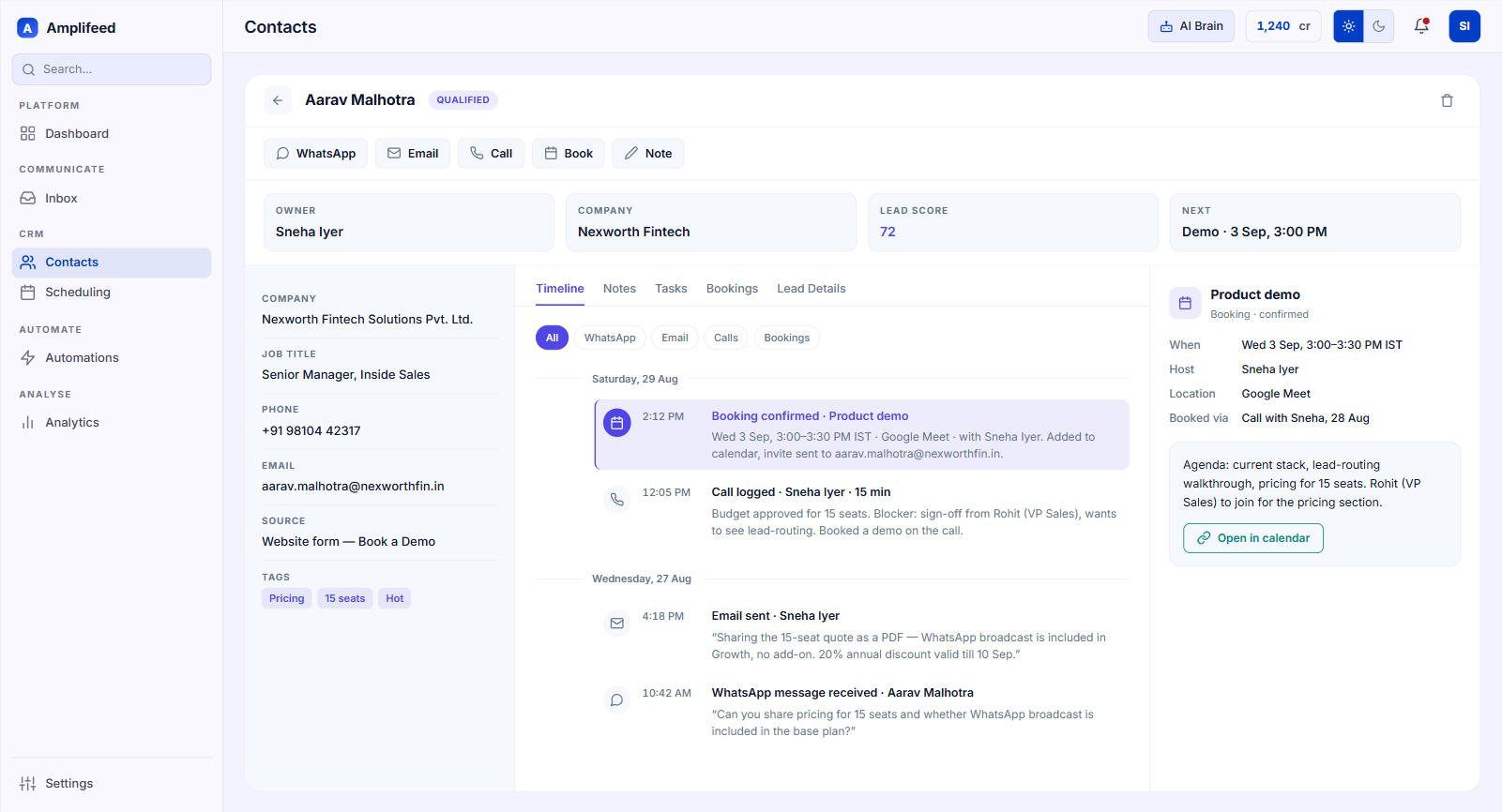
The follow-up that runs after the visit, aimed at the objection they did not say out loud, and stopping the second they decide either way.
The drop nobody measures
Three messages after they leave
The first one should reach them before they get home.
Send the thing they will forget
Whatever you showed them, put it in writing while they can still picture it. This message gets opened almost every time.
Answer what they did not ask
Everyone leaves with one unspoken objection. Name it yourself and you get a real conversation instead of silence.
Make no easy to say
Offering the exit is what gets you the truth. Often the answer is not no, it is not yet, and now you know which one you are dealing with.
Who runs this
Anyone who sells something people come and look at first.
Where this stops working
If they came and did not buy, the visit told them something, and no follow-up will argue them out of it. What this does is stop you losing the ones who liked it and simply got busy. That group is bigger than most teams expect.
Questions people ask
How is this different from appointment reminders?
Reminders get people to show up. This is what happens after they do. Different job, different messages, and you want both running. See appointment reminders.
What if they were only browsing?
Then day five gets you a clear no, and it cost you three messages to find out. That is cheap compared with a month of guessing.
Does this work for software trials?
Same shape. Send what they saw, name the objection nobody raised, then ask directly whether to keep the trial open. The words change, the timing does not.
Stop losing the ones who liked it.
Bring last month's visit list. We will show you what these three messages would have looked like for those people.