Sell again to the people who already said yes.
They already paid you once and already trust you. Most businesses never contact them again, which makes this the cheapest revenue on the table.
Works off the list you already have
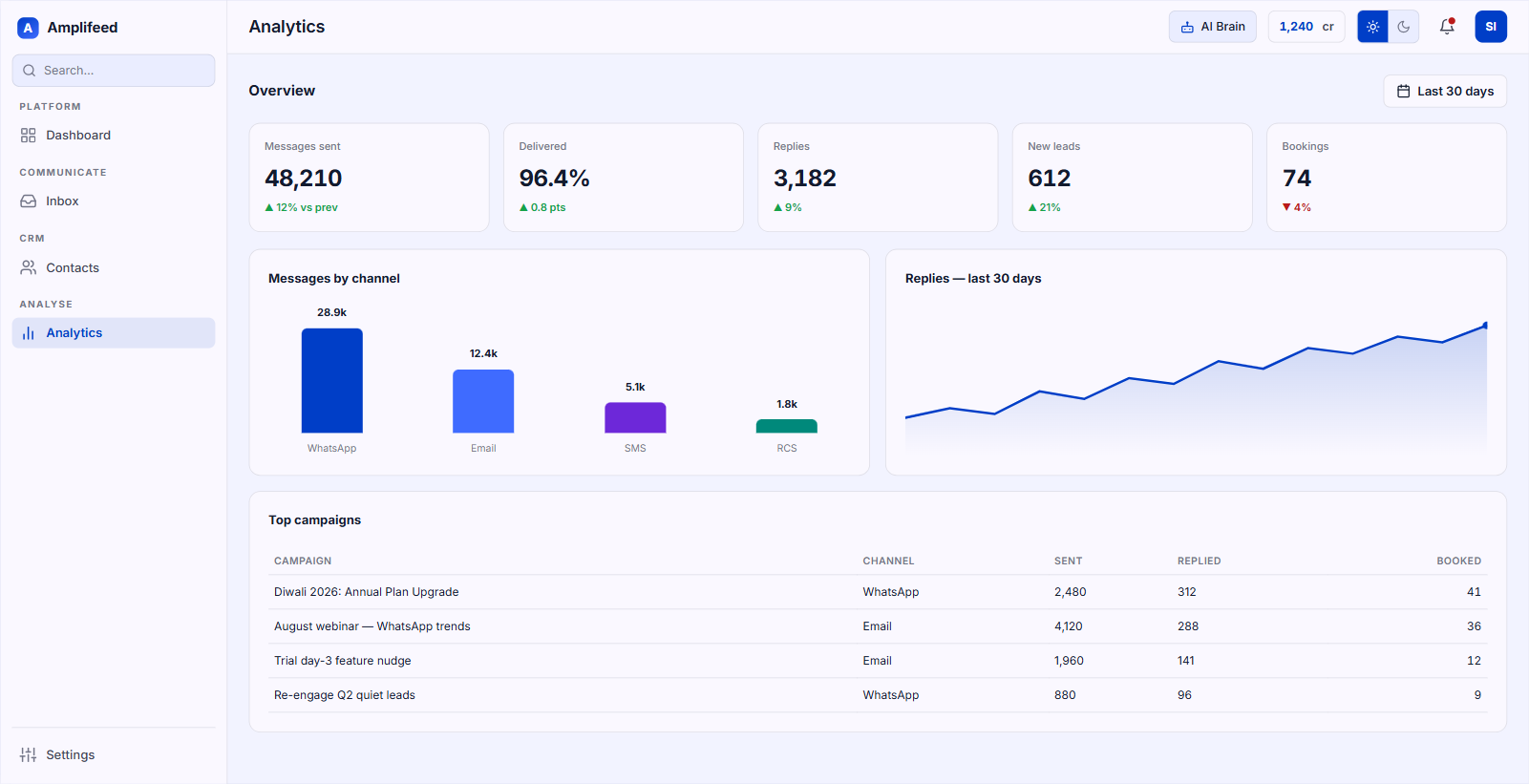
A sequence aimed at people who bought before and then went quiet, using the fact that they already know you rather than pretending they do not.
The customers you already paid for
Somebody bought from you in March. They liked it. They meant to come back.
By June they had not, and by September you had stopped noticing. Meanwhile you were spending money on ads to find somebody exactly like them.
You paid to win that person once. Reaching them again costs almost nothing, and nobody does it.
The sequence, and the actual words
Three messages over three weeks. Notice that only the last one mentions an offer.
Ask, do not sell
The first message should not contain an offer. Ask something. You are restarting a relationship, not running a campaign.
Give them a reason that is not a discount
Something new, something they missed, something that changed. Reasons age better than discounts.
Now you can make an offer
By the third message an offer reads as a nudge rather than desperation. Keep it small and time-bound.
Who runs this
Anybody with customers who bought once. Which is everybody, eventually.
Where this stops working
This only works if you have the list. If your customers live in delivery-app orders or Instagram DMs and you never took a number, there is nothing to send to, and the honest first step is collecting them rather than buying software. Also, if they left because the experience was bad, a message will not fix it and may make it worse.
Questions people ask
How long should I wait before calling somebody lapsed?
It depends on your buying cycle. Sixty days for a restaurant, six months for a salon colour, a year for something big. Set the gap per product.
Will it annoy people?
Three messages over three weeks, with an easy out, is not annoying. Sending weekly for a quarter is.
Do I have to discount?
No, and you should not lead with one. The sequence above does not mention an offer until the third message.
What if I do not have their numbers?
Then start there. Take the number at the counter, on the bill, or when they book. Everything else follows from having a list.
Find out how many customers you could reach today
Twenty minutes with whatever you have. Most people are surprised by how many customers they have served and cannot contact.