Get paid without chasing anybody.
Fees, invoices and renewals reminded early, politely and automatically. Nobody has to be the person who asks.
Set it once, and it runs for everybody
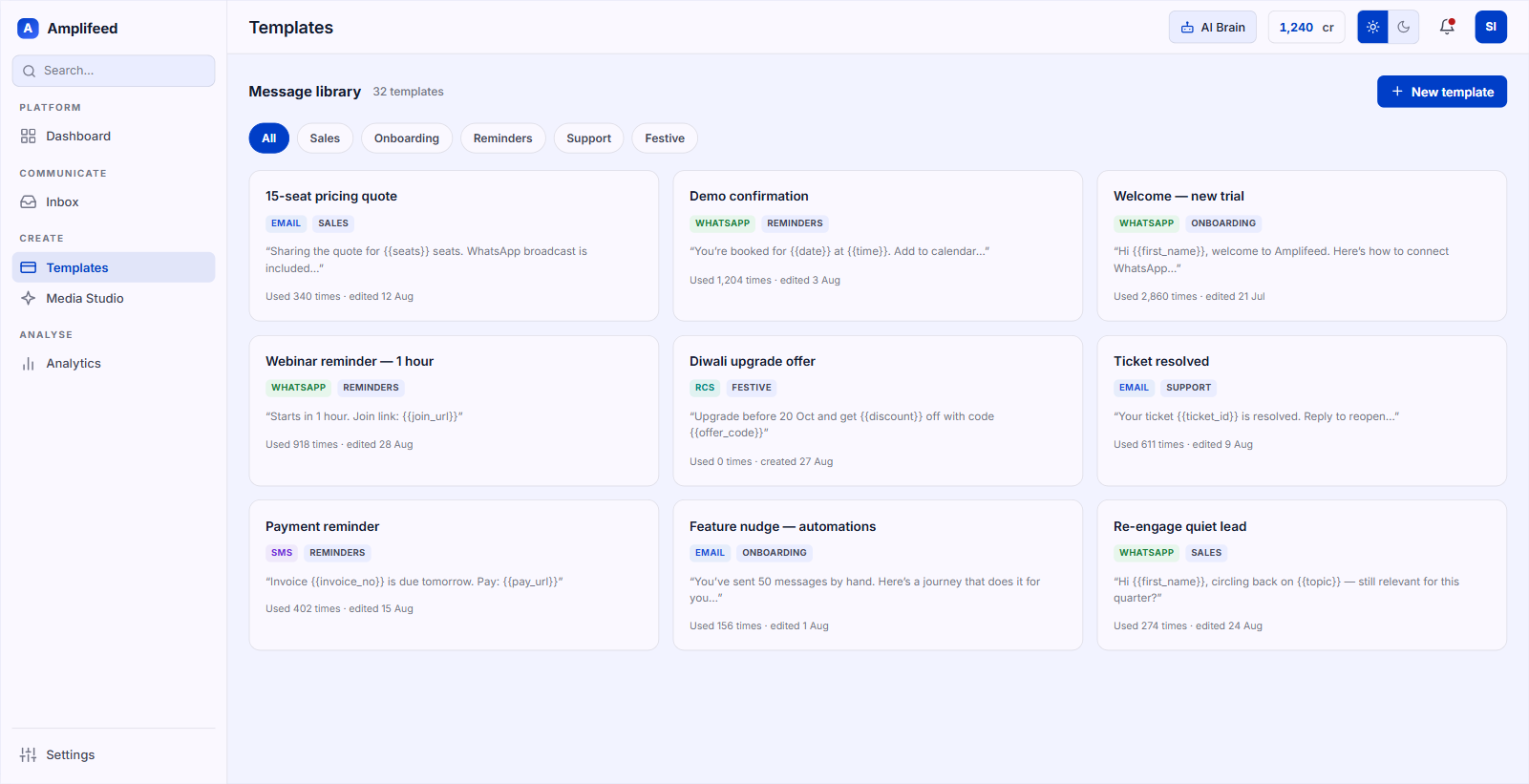
Reminder sequences for money that is due, sent early enough to land before the deadline rather than after it, without anybody having to make the awkward call.
Why this gets skipped
Nobody enjoys asking for money. So the fee reminder gets sent by hand, one name at a time, on whatever evening somebody has energy for it.
In a busy week it does not happen. And the renewal reminder that goes out in the final week is not a reminder, it is a rescue attempt. The decision was made three weeks earlier by whoever got in touch first.
The sequence, and the actual words
Early, then closer, then on the day. The first one is the one that does the work.
Be first, not last
For a renewal this is the whole game. Whoever gets in touch three weeks early usually keeps the customer.
A gentle, specific reminder
Name the amount and the date. Vagueness makes people put it off.
Short and friendly
One line. No pressure, no guilt. Most people simply forgot.
Assume it was an oversight
It nearly always was. Give them an easy way to say what is going on.
Who runs this
Anybody collecting a recurring fee, an invoice, or a renewal.
Where this stops working
We do not take payments and we never touch your money. There is no gateway here, no cart and no reconciliation. We send the reminder and the link to wherever you already collect. If your problem is the collection mechanism rather than the reminding, this is not the fix.
Questions people ask
Do you handle the payment itself?
No. We send the reminder and your existing payment link. Keep whatever you collect through.
Can it stop reminding somebody who has paid?
It works from whatever you keep in the record. Bring your setup to the call so we can tell you exactly how this would work for you.
Is thirty days too early for a renewal reminder?
For insurance, service and memberships, no. The decision usually gets made two to three weeks out, so the last week is far too late.
What tone should these use?
Friendly and specific. Name the amount, name the date, and assume it was forgotten rather than avoided.
See what is due in the next sixty days
Twenty minutes on your real list. Most businesses find a month of collections sitting in it already.